The construction industry has always been an essential driver of economic growth and innovation. From ancient civilizations building monuments to today’s urban skylines filled with high-rise towers and eco-friendly housing projects, construction has evolved dramatically. Yet despite technological progress, efficiency remains one of the sector’s biggest challenges. Delays, rising costs, and resource waste often undermine the potential of projects, whether they are residential homes or large-scale infrastructure.
In recent years, however, smart solutions have transformed how we approach building. Leveraging technology, innovative materials, and new methodologies, construction can become faster, safer, and more cost-effective. Understanding these strategies is crucial for companies and individuals seeking to maximize value and minimize risks.
The digital transformation of construction
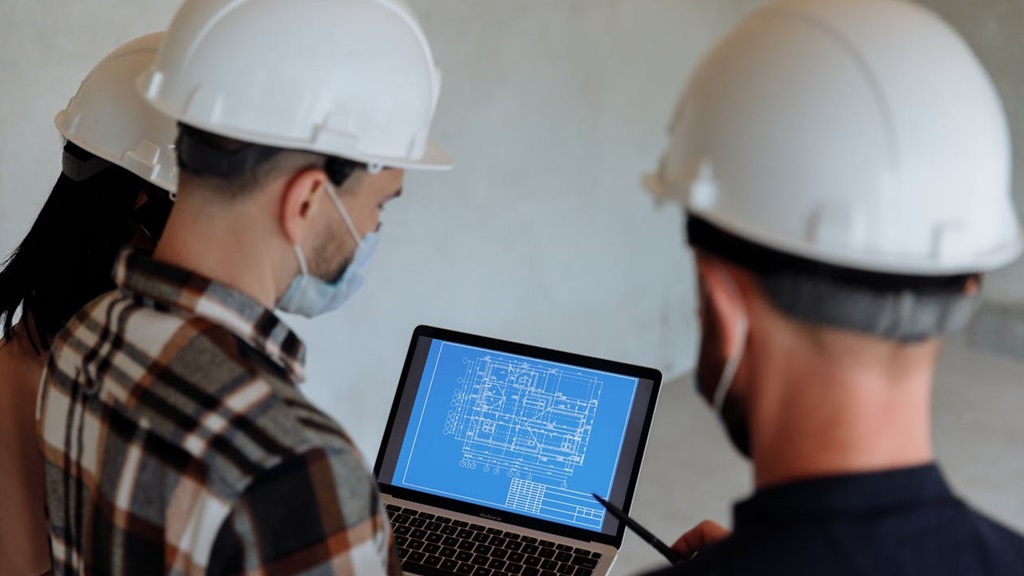
Digitalization is the cornerstone of modern efficiency in the building sector. Tools such as Building Information Modeling (BIM) have revolutionized the design and planning process. Instead of relying solely on static blueprints, BIM provides a dynamic 3D digital model of a project. This model can integrate real-time data about costs, timelines, and materials, enabling architects, engineers, and contractors to collaborate seamlessly.
The result is fewer misunderstandings, fewer errors, and significantly reduced rework. For clients, this means better transparency, as they can visualize how the finished project will look before construction begins.
Automation and robotics on-site
One of the most exciting advancements in recent years has been the rise of automation in construction. Drones are now commonly used to survey sites, monitor progress, and even conduct safety inspections. They save hours of manual work and provide accurate data that was previously difficult to obtain.
Robotics are also making their mark. From bricklaying robots that can outperform human workers in speed and precision to robotic arms used for 3D printing concrete structures, automation reduces human error and boosts productivity. While robots will not replace skilled labor entirely, they complement the workforce by handling repetitive and physically demanding tasks.
Smarter materials for modern needs
Another way to make construction more efficient is through the use of innovative materials. Traditional materials such as concrete and steel are being enhanced with advanced additives, making them stronger, lighter, and more environmentally friendly. Self-healing concrete, for example, can automatically repair small cracks using embedded bacteria, extending the lifespan of structures and reducing maintenance costs.
Insulation materials have also improved significantly. High-performance foams, aerogels, and phase-change materials regulate indoor temperatures more effectively, reducing energy use in completed buildings. These advancements not only improve efficiency during construction but also deliver long-term benefits for homeowners and businesses.
Modular and prefabricated construction
Prefabrication has long been used in some industries, but it is gaining renewed attention as a smart construction solution. Modular construction involves producing building components—such as walls, floors, or entire rooms—in factories under controlled conditions. These modules are then transported to the site and assembled like building blocks.
This approach reduces waste, ensures consistent quality, and significantly speeds up the building process. In some cases, project timelines can be cut by as much as 50%. Additionally, because much of the work is done off-site, disruptions to surrounding areas are minimized, which is especially beneficial in dense urban environments.
Sustainable solutions and green construction
Efficiency today is not only about time and cost—it is also about sustainability. With the construction industry accounting for a significant percentage of global carbon emissions, adopting eco-friendly practices is more important than ever.
Green building certifications encourage the use of energy-efficient designs, renewable materials, and water-saving systems. Smart home technologies, such as automated lighting and climate control, can also be integrated into new builds, making them more appealing to environmentally conscious buyers. For developers, this translates into added value and long-term savings for clients.
Improving safety with technology
Safety remains one of the most pressing issues in construction. Smart solutions not only enhance efficiency but also protect workers. Wearable devices now monitor vital signs, detect fatigue, and alert supervisors to potential hazards. AI-powered cameras can track compliance with safety protocols, such as helmet use or restricted zone access.
By reducing accidents, these technologies not only save lives but also lower costs associated with delays, insurance, and compensation claims.
Data-driven decision-making
In today’s construction landscape, data is as valuable as bricks and mortar. Sensors embedded in equipment and structures collect data on performance, maintenance needs, and energy use. Analyzing this information helps managers make informed decisions, optimize resource allocation, and predict potential issues before they become costly problems.
Big data and artificial intelligence are becoming indispensable tools in large projects, allowing companies to anticipate challenges and act proactively rather than reactively.
The human factor
While technology is crucial, the human factor should never be overlooked. Training workers to use new tools and systems effectively ensures that smart solutions deliver their full potential. Skilled labor remains the backbone of construction, and technology should be seen as a partner rather than a replacement. Encouraging collaboration between engineers, architects, and workers also helps bridge gaps and foster innovation.
Looking to the future
The future of construction will likely be shaped by further integration of digital technologies, smarter materials, and sustainable practices. 3D-printed houses, autonomous machinery, and fully energy-independent buildings are no longer science fiction but emerging realities.
Homeowners, investors, and contractors who embrace these changes stand to benefit not only from faster and more cost-effective projects but also from homes and buildings that are healthier, more comfortable, and longer-lasting.
Final thoughts
Construction is one of humanity’s oldest crafts, but it is also one of the most rapidly evolving. By embracing smart solutions, builders can create projects that are efficient, sustainable, and resilient against future challenges.
For those seeking guidance on how to make building work more effective, resources like BestBuilder.hu provide valuable knowledge. A detailed discussion of these strategies can be found in their article on smart solutions for construction, which highlights practical ways to bring efficiency into every stage of the building process.